

Do Bay and Bow Windows Add Real Value to a Calgary Home — or Just Curb Appeal?
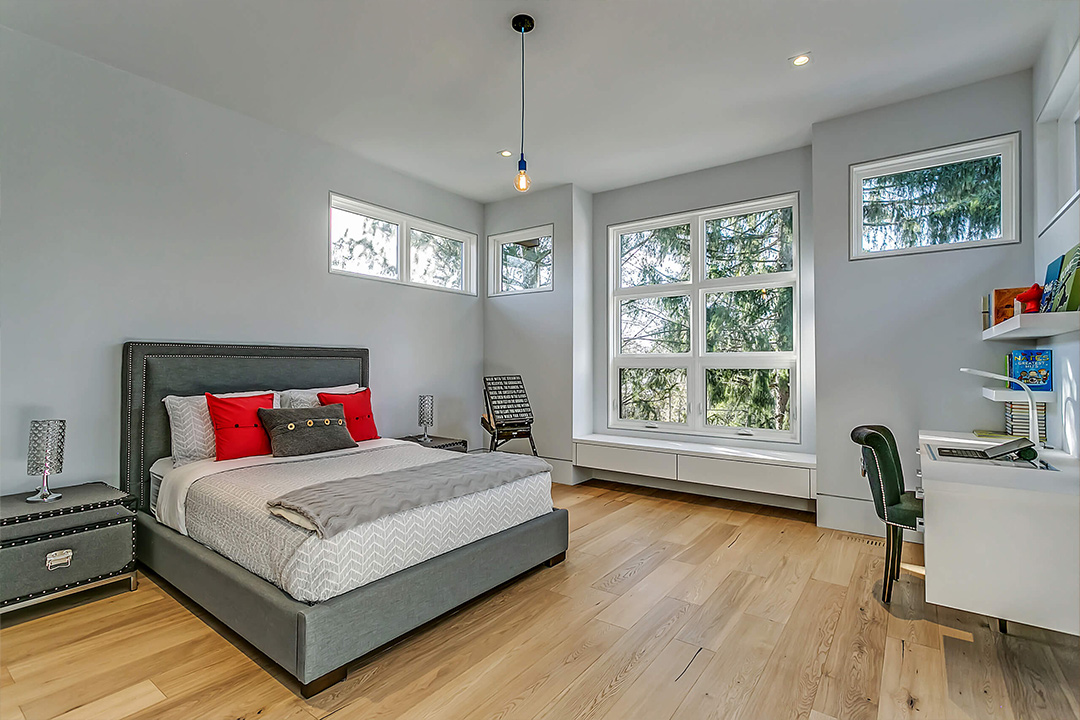
Bay and bow windows are among the most architecturally striking window choices available for residential homes. They project outward from the exterior wall, creating an alcove inside and a distinctive visual feature outside. But beyond aesthetics, homeowners in Calgary often ask whether they deliver practical value — in terms of light, space, and resale.
The honest answer is: yes, when they’re specified correctly and installed properly. The caveats matter here — because bay and bow windows are more complex than standard windows, and getting them wrong is more costly to fix.
What Is the Difference Between a Bay Window and a Bow Window?
A bay window typically consists of three panels: a large central picture window flanked by two angled operable windows — usually casement or double-hung — set at 30 or 45 degrees. The resulting shape is angular and relatively compact in projection.
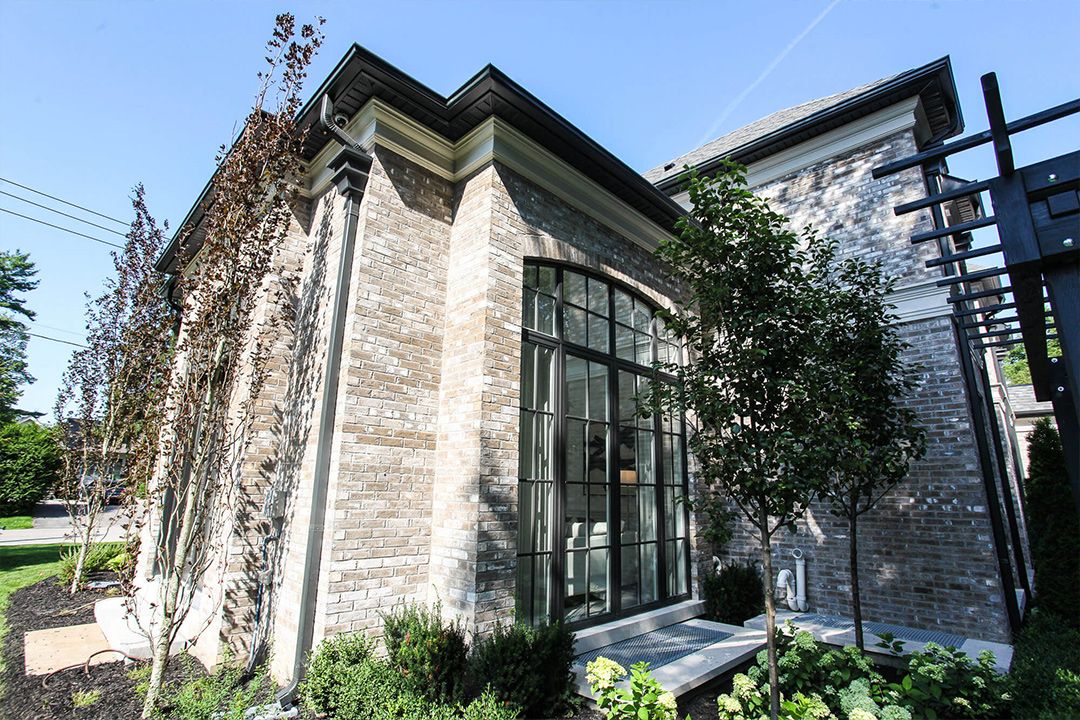
A bow window uses four, five, or six panels of equal width, arranged in a gentle curve rather than sharp angles. The projection is shallower but wider, and the curved silhouette tends to suit homes with more traditional or classical architectural character.
Both configurations allow more light into a room than a standard flat window installation. The angled geometry means the window captures light across a wider arc of the sky — particularly useful in rooms that don’t benefit from direct sun exposure at any particular time of day.
How Do They Affect the Interior Space?
The alcove created by a bay or bow window is one of its most practical benefits. Even a relatively modest projection — 40 to 50 centimetres — creates a usable nook that can become a window seat, a display shelf, a reading area, or a breakfast spot in a kitchen. In smaller homes where usable square footage is at a premium, this is real additional space, not just a visual effect.
The sense of spaciousness the projection creates is also notable. By pushing the window envelope outward, the room reads as larger than it actually measures — a subtle but genuine effect that’s particularly valuable in living rooms and primary bedrooms.
For anyone comparing which window configurations work best in different rooms and orientations, this overview of the best window styles for Calgary homes covers the key considerations in practical detail.
What Are the Thermal Considerations in Calgary’s Climate?
This is where careful specification becomes critical. Bay and bow windows project beyond the exterior wall, which means the bottom of the unit — the seat board area — is exposed on three sides to outdoor temperatures. Without proper insulation in the seat area and within the frame structure, this projection can become a cold spot in winter.
Quality bay and bow installations include a fully insulated seat board, proper flashing at the roof of the projection, and in many cases a small heating source (baseboard heater or a vent from the main HVAC) directed at the floor below the unit. Getting these details right is the difference between a bay window that feels warm and comfortable in January and one that creates a cold corner in the room.
High-performance bay and bow windows for Calgary homes are typically built with thermally broken frames and triple-pane glass in the operable sections, with the centre picture panel also in triple pane for maximum insulation across the full width.
Does a Bay Window Increase Resale Value?
Real estate professionals consistently report that bay and bow windows are a noted positive in home listings — they photograph well, they’re immediately recognisable as a desirable feature, and they add to the perceived quality and character of a home. In Calgary’s competitive housing market, distinctive architectural details tend to support asking prices.
The return on investment varies depending on the neighbourhood and price point, but bay and bow windows are generally regarded as among the higher-return window upgrades for resale purposes — particularly when they’re installed in prominent rooms (living room, front bedroom) that buyers will notice during viewings.
Is the Investment Worthwhile?
For homeowners who spend meaningful time in the rooms affected, and who value natural light, architectural character, and additional usable space, bay and bow windows deliver on all counts. They cost more than standard window installations — both for the product and for the additional structural work often required — but the combination of aesthetic, spatial, and value benefits justifies the premium for the right home and the right room.
Getting accurate pricing requires a site visit and measurement rather than an online estimate. Custom windows Calgary specialists can assess the structural requirements, recommend the optimal projection depth, and provide a detailed quote that reflects the full scope of the installation.
FAQ
Do bay windows require structural modifications?
Often yes — particularly if the existing wall is load-bearing. A site assessment is needed to determine whether a header needs to be installed or modified. This work adds to the overall cost but is necessary for a safe, lasting installation.
Can a bay window be added to any room?
In principle, yes — though ground-floor installations are simpler than upper-floor ones, and some exterior conditions (cladding type, roof overhang) create additional complexity. A professional measurement visit is always the first step.
How are bay windows sealed against Calgary winters?
Quality installations include a fully insulated and weather-sealed roof over the projection, thermal breaks within the frame, and properly insulated seat board construction. These details should be confirmed before signing any contract.
Are bow windows more expensive than bay windows?
Generally yes — bow windows use more panels and the curved geometry requires more precise manufacturing. The price difference varies by size and specification.
Can bay and bow windows be installed in older homes?
Yes, but the structural and exterior finishing work involved tends to be more complex in older homes. Budget for contingencies and work with an installer experienced in retrofit applications.

