

Leaking Windows During Heavy Rain: Causes, Fixes, and Prevention Tips

Imagine sitting at home on a stormy evening, and suddenly you notice water creeping in around the frame. Leaking windows during heavy rain are more than just an inconvenience — they’re a signal that something isn’t right. A window leaking can stain walls, damage flooring, and even create hidden mold that threatens your family’s comfort and health.
Across Alberta, sudden downpours and strong winds are common, and homeowners frequently face this challenge. We work with clients in many communities throughout the province, where weather conditions can be just as demanding. In every case, leaks may have different triggers — from older construction to installation shortcuts — but the result is always the same: frustration and water damage.
Let’s walk through the most frequent questions people ask about leaking windows, the answers you need, and the actions you can take to protect your home.
Why Are My Windows Leaking During Heavy Rain?
There are a few reasons why leaking windows show up when storms roll through. In many cases, the problem is worn caulking or seals that no longer block water. Sometimes, it’s clogged drainage channels that leave rainwater trapped inside the frame. And in more serious situations, poor installation or missing flashing above the window lets water flow straight in.
Another factor to consider is house design. Homes without roof overhangs, or with siding and fascia boards angled incorrectly, expose windows directly to rain and wind. In those cases, even newer units may let water in because there’s no architectural barrier protecting them.
You might notice water leaking through the window frame, puddles forming on the sill, or damp patches spreading across nearby drywall. Left untreated, leaks can drive up energy bills by forcing heating and cooling systems to work harder, while also raising the risk of mold growth and poor indoor air quality.
From Our Experience:
We often see situations where homeowners assume their walls were the problem, only to discover the culprit was a small gap in the flashing above the window. Once corrected, the leaks disappeared entirely.
What you can do:
If your windows only leak during storms, schedule a professional inspection. Our team can identify whether the issue is with the seals, the installation, or the overall design — and provide a clear repair plan.
How to Fix a Leaky Window?
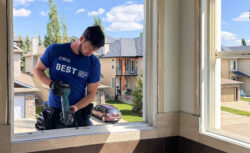
If your window leaks when it rains, start with a few quick checks:
- Inspect the caulking outside. If it’s cracked or peeling, scrape it out and reapply a fresh bead of sealant.
- Look at the weatherstripping. If it’s flattened or brittle, replace it — it’s affordable and effective.
- Clear the weep holes at the bottom of the frame so rainwater can drain outside.
These simple steps often stop small leaks. But if you still notice water dripping from the top of the window frame, fogging between panes, or persistent dampness, the issue may be poor flashing or even structural damage.
From Our Experience:
In some homes, owners re-applied caulking several times, but the leak persisted. The real culprit was a hidden gap where siding met the window frame. Once sealed correctly, the water problem stopped for good.
Our recommendation:
Temporary repairs can help, but if the leak keeps returning, let our experts handle leaky window repair properly. We’ll fix the root cause instead of just covering the symptoms. And when windows are too old to repair effectively, we recommend upgrading to ENERGY STAR® certified replacements that improve comfort, lower long-term energy costs, and offer peace of mind.
Why Is My Basement Window Leaking?
A leaking basement window is one of the most frustrating problems for homeowners. Because basements sit below ground level, rainwater naturally pushes against them with more force. If the seals around your basement window fail, or if the soil around your home slopes toward the foundation, you may end up with puddles after every storm.
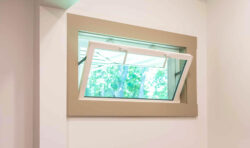
Sometimes, the problem is as simple as a cracked frame or missing caulking. Other times, the basement window leaks when it rains because the window well doesn’t drain properly, or the grading around your home directs water toward the foundation.
You may notice water collecting at the bottom of the well, damp carpets, or even a musty odor — all signs that water intrusion is affecting your basement’s air quality.
From Our Experience:
We’ve encountered homes where heavy rain filled the window well like a small pool. With no cover and poor drainage, water eventually spilled through the basement window. After installing a well cover, resealing the frame, and adjusting the grading, the basement stayed dry even in the heaviest storms.
Next step:
Check if your basement window well needs a cover or drainage improvements. If the leaks continue, upgrading to a modern, energy-efficient window designed for Alberta’s climate may be the best solution. Doing so not only keeps your basement dry but also prevents costly mold issues and structural damage.
What if Water Is Dripping from the Top of My Window Frame?
When you see water dripping from the top of the window frame, it’s often a flashing issue. Flashing is a thin, protective layer installed above the window to guide water away. If it’s missing or damaged, rainwater finds its way inside — no matter how good the caulking is.
Sometimes this leads to streaks running down interior walls or peeling paint near the ceiling line. These aren’t just cosmetic issues — they’re early warnings of hidden moisture damage.
From Our Experience:
In several cases, homeowners thought their caulking had failed, but the real issue was missing or improperly angled flashing. Once replaced and sealed, the leaks stopped immediately.
How to move forward:
Don’t ignore water at the top of your frame. Call a window professional to check the flashing and the surrounding structure. Sometimes replacing or repairing the flashing is enough. Other times, a complete window replacement with properly installed ENERGY STAR® models is the best way to restore waterproofing, improve efficiency, and reduce future repair costs.
Is There a Temporary Fix for a Leaking Window?
Yes, but it’s only a short-term solution. A temporary fix for leaking window issues might include:
- covering the window with plastic sheeting during storms,
- applying waterproof tape over visible cracks,
- or adding silicone directly over the damaged area.
These methods can slow leaks, but they rarely last through multiple rainstorms, especially in Alberta’s harsh climate. And while they might buy you time, the hidden moisture can still increase your heating bills and create an environment for mold growth.
From Our Experience:
We’ve seen homeowners use plastic tarps and tape to get through a weekend storm. It worked temporarily, but water returned within days. Once the frame was resealed correctly, the emergency fixes were no longer necessary.
The fix:
Use temporary fixes only as a stopgap. For a long-term solution, schedule a professional repair or replacement. Our team can help you decide whether resealing, repairing, or replacing is the best step forward.
How Can I Prevent Window Leaks in the Future?
Prevention is always easier (and cheaper) than repair. Start with seasonal maintenance: inspect your windows twice a year, checking caulking, paint, and frames for damage. Clean out drainage holes to keep water flowing outside.
Don’t forget about landscaping. If the soil around your home slopes toward the foundation, heavy rain will pool around the basement windows. Regrading the ground or adding window well covers can make a huge difference.
Another smart step is checking your home’s design features. Simple elements like roof overhangs, trim, and siding angles play a major role in protecting windows from direct rain exposure.
And finally, don’t underestimate the value of professional inspections. A trained eye can spot potential weak points before they turn into costly surprises. Catching small issues early not only saves money but also prevents wasted energy and health concerns from excess indoor humidity.
From Our Experience:
In multiple homes, small issues like clogged drainage holes were caught early during inspections. After a quick cleaning and resealing, what could have turned into major leaks was prevented entirely.
Our recommendation:
Stay ahead of unpredictable weather. Book a maintenance check with Best Solution Windows and Doors to make sure your windows stay dry, efficient, and worry-free.
FAQ: Common Questions About Leaking Windows
Why does my window leak only during storms?
Because wind-driven rain puts extra pressure on your windows. Small gaps that normally stay dry suddenly let water in. If you notice leaks only when storms come with strong winds, it usually points to flashing or sealing issues that can be fixed with targeted repairs.
Can I handle leaky window repair myself?
You can handle basic fixes like replacing weatherstripping or applying caulking. These repairs are cost-effective and can stop minor leaks. However, if the window leaks when it rains repeatedly, or if you see water inside the wall or sill, it’s best to call professionals. Hidden leaks can cause long-term damage, including mold or structural issues, that DIY repairs won’t address.
Do basement leaks mean I have foundation problems?
Not always. Many basement windows leak when it rains is caused by drainage issues, failed seals, or clogged wells. These problems are often easy to resolve. Still, if leaks return even after improvements, an inspection is essential to rule out foundation concerns before they become more serious.
How long do temporary fixes last?
A temporary fix for a leaking window — such as plastic film, silicone patches, or waterproof tape — might hold for a storm or two, but it’s not reliable. Moisture often finds new ways in, and hidden dampness can worsen damage over time. Treat temporary fixes only as a short-term solution until a professional repair is done.
When should I replace instead of repair?
If your windows are old, warped, or leaking despite repeated fixes, replacement is usually more cost-effective. New windows designed for Alberta’s climate provide stronger seals, better insulation, and reduce heating and cooling costs year-round. Choosing replacement over endless patchwork also protects your home from hidden water damage.
Can leaking windows increase energy bills?
Yes. Even small leaks allow drafts and moisture inside, making your heating and cooling systems work harder. Over time, this raises your utility bills and reduces indoor comfort. By fixing leaks promptly — whether through resealing, repair, or full replacement — you can lower energy use and improve efficiency.
Can leaking windows affect home resale value?
Yes. Visible water stains, damaged drywall, or signs of mold around windows can raise red flags for buyers and reduce resale value. On the other hand, replacing old units with modern, efficient models shows care and maintenance, improving your home’s appeal and market price.
How quickly should I fix a leaking window?
As soon as possible. Even a small leak allows water to seep into walls, insulation, or flooring, and damage can spread quickly. The longer you wait, the greater the risk of mold, structural weakening, and higher repair costs. Acting quickly also helps protect your home’s energy efficiency — every draft or damp patch forces your heating and cooling systems to work harder. A timely inspection and repair prevent minor leaks from becoming major expenses.
Keep Your Alberta Home Dry and Comfortable
When it comes to leaking windows during heavy rain, ignoring the issue is never a good idea. Whether it’s a basement window leaking, water dripping from the top of the window frame, or simply a persistent window leaking every time it rains, quick action protects your home from bigger problems.
At Best Solution Windows and Doors, we’ve helped homeowners across Alberta solve frustrating leaks with reliable, lasting solutions. From small repairs to full replacements with ENERGY STAR® certified windows, we make sure every home stays dry, safe, and efficient.
Don’t settle for patchwork solutions. Contact Best Solution Windows and Doors today for a free consultation and enjoy the peace of mind that comes with a dry, comfortable home.

