

Why Are Vinyl Windows the Most Popular Choice for Calgary Homeowners?
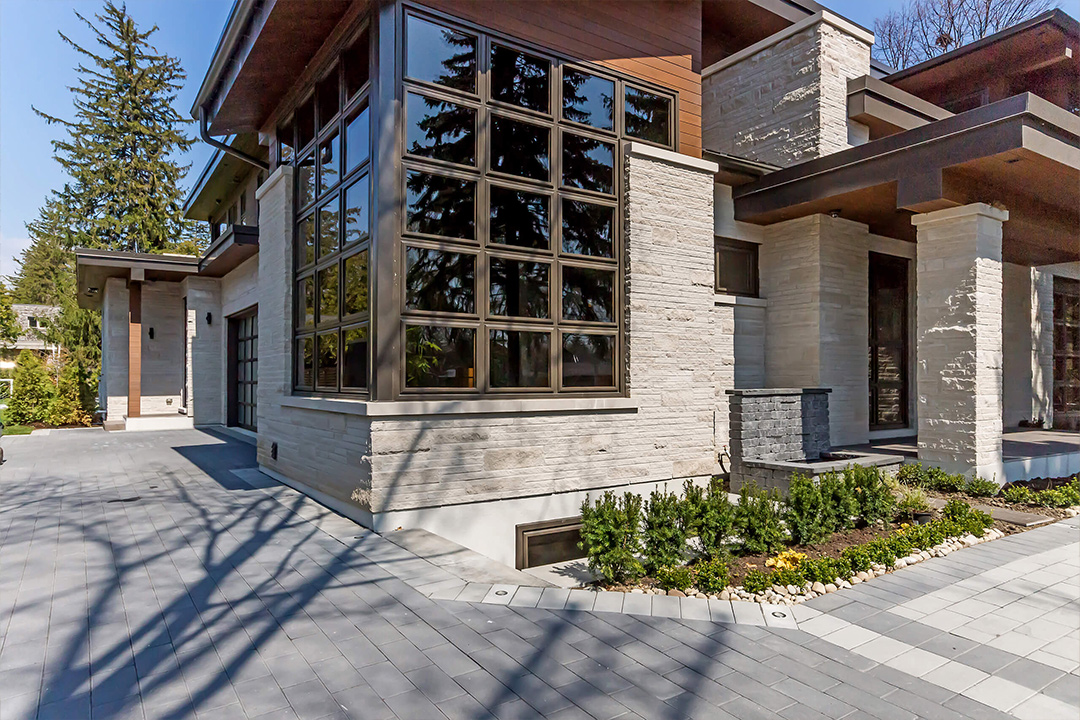
Vinyl windows now account for the majority of replacement window sales in Canada — and in Calgary specifically, the reasons for that dominance go beyond simple price. The material’s combination of thermal performance, low maintenance requirements, and longevity makes it a strong fit for Alberta’s climate in a way that other frame materials simply can’t match.
Understanding what sits behind that popularity helps homeowners make better-informed decisions, rather than just following the trend.
What Makes Vinyl Such a Good Insulator?
Vinyl — or uPVC (unplasticised polyvinyl chloride) — is a poor conductor of heat and cold. That matters enormously in Calgary, where outdoor temperatures can swing from +30°C in summer to below -30°C in winter. Aluminum frames, by contrast, are highly conductive and can create a thermal bridge that negates much of the insulating benefit of even a high-quality glass unit.
Vinyl frames are also hollow-chambered by design. Modern multi-chamber vinyl profiles trap still air within the frame itself, adding another layer of insulation. The result is a frame that contributes meaningfully to the overall thermal performance of the window — rather than undermining it.
For a deeper look at which window specifications matter most for Calgary’s specific climate conditions, the article on how to choose energy-efficient windows for Calgary’s climate provides a practical breakdown worth reading before making any purchasing decisions.
How Does Vinyl Hold Up Over Time in Alberta’s Weather?
This is where vinyl’s reputation is sometimes unfairly questioned. Older-generation vinyl windows — produced in the 1990s and early 2000s — could become brittle or fade after years of UV exposure. Modern vinyl formulations are significantly more durable, incorporating UV stabilisers and impact modifiers that maintain colour and structural integrity for decades.
Calgary’s freeze-thaw cycles are particularly hard on window materials. As temperatures oscillate, materials expand and contract — and frames that can’t accommodate that movement will crack, warp, or lose their seal integrity. High-quality vinyl is flexible enough to handle these cycles without degrading over a 25 to 30-year lifespan.
Wood frames, however beautiful, require regular painting or sealing to prevent moisture absorption and rot — a maintenance burden that compounds over time. Aluminum frames are dimensionally stable but thermally poor, as noted above. Vinyl threads the needle: it requires no painting, no sealing, and no seasonal treatment.
Are All Vinyl Windows the Same?
No — and this is one of the most important things to understand when shopping. The quality of vinyl profiles varies considerably between manufacturers. Wall thickness, the number of chambers within the frame, the quality of the welded corners, and the hardware used all affect how well a vinyl window performs and how long it lasts.
Cheap vinyl windows exist, and they’re distinguishable from quality products by the thinness of the profile, the flimsiness of the hardware, and often a noticeably lower warranty period. When comparing quotes, ask specifically about the profile specifications and corner construction — not just the glass package.
Quality vinyl windows designed for Calgary’s climate are available with both double and triple-pane configurations, argon or krypton gas fills, and a range of low-E coating options. The frame material is just one part of the overall performance equation.
What About Colour and Aesthetics?
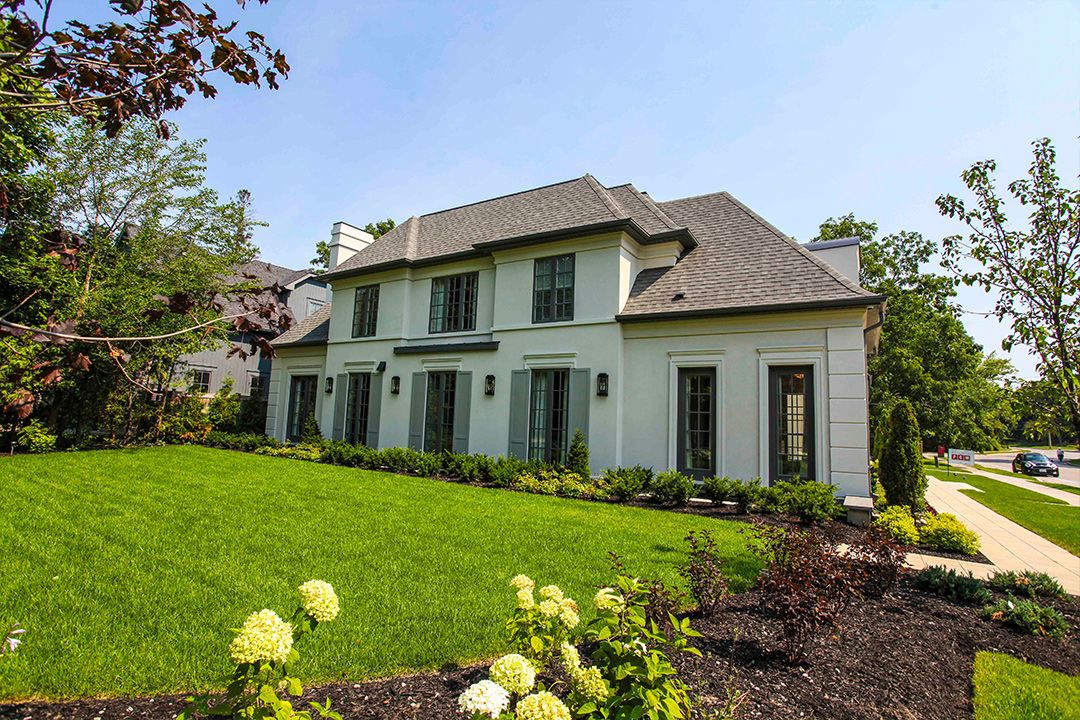
A common objection to vinyl windows is that they look too uniform or plasticky. Contemporary vinyl windows have largely addressed this concern. They’re available in a wide range of colours — including realistic wood-grain laminates that can be applied to the interior surface for a warmer aesthetic — and they come in configurations from traditional double-hung and casement to more architectural shapes.
For Calgary homeowners doing a full replacement on an older home, this means it’s possible to achieve a historically sympathetic appearance without the maintenance burden of actual wood frames.
What’s the Bottom Line on Value?
Vinyl windows consistently represent the best combination of upfront cost, thermal performance, and long-term maintenance savings in Calgary’s climate. They’re not the only good option — fibreglass frames offer some performance advantages at a higher price — but for the majority of residential replacement projects, vinyl is the practical, durable, and energy-efficient choice.
If you’re planning a window upgrade, it’s worth getting a detailed quote from a window replacement Calgary provider who manufactures their own product. Local manufacturing often means better quality control, faster turnaround, and more accountable warranty support than companies that import and resell.
FAQ
How long do vinyl windows typically last in Calgary?
High-quality vinyl windows in Calgary typically last 25 to 35 years with minimal maintenance. The key factors are the quality of the profile and the durability of the seals and hardware.
Do vinyl windows need to be painted or sealed?
No — vinyl frames are maintenance-free in terms of painting or sealing. Occasional cleaning with mild soap and water is all that’s needed to keep them looking good.
Can vinyl windows be repaired if damaged?
Minor scratches or scuffs can sometimes be buffed out, but significant damage to the frame usually means replacing the sash or the entire window. This is one area where vinyl is less forgiving than wood, which can be repainted or spot-repaired.
Are vinyl windows suitable for older or heritage-style homes?
Yes — modern vinyl windows are available with wood-grain interior finishes and traditional architectural profiles that work well in heritage home renovations.
Is vinyl environmentally friendly?
The energy savings from vinyl windows over their lifespan significantly outweigh the environmental cost of production. Modern vinyl is also recyclable at end of life, and many manufacturers accept old frames for recycling.

